Hazelnut Coffee Font: A Playful Display Typeface for Makers
Last weekend, I was sitting at my kitchen table with a stack of blank kraft paper labels and a fresh cup of coffee. I had just finished a small batch of vanilla bean soy candles, and I needed a wordmark that felt warm, inviting, and just a little bit playful. I opened my font library, scanned through my usual serif and sans serif options, and then I landed on Hazelnut Coffee. One look at those bubbly, rounded characters and I knew I had found exactly what my candle labels needed. The font had a cheerful energy that matched the cozy, handmade feel of my shop. I typed out “Candlelight” in all lowercase, sized it up, and watched the letters come to life. Each character felt like it had a little personality of its own, curving gently and inviting a smile. That moment—when a font clicks perfectly with a product idea—is the moment every maker lives for.
The Charm of Hazelnut Coffee
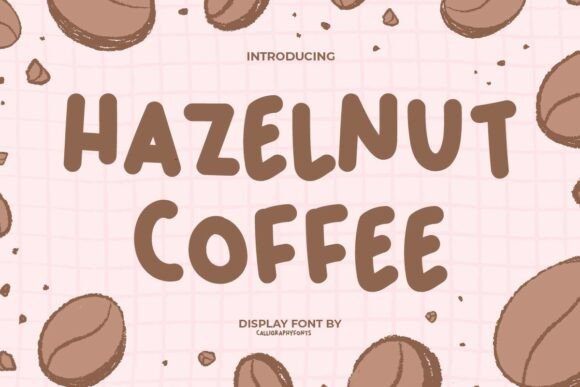
Hazelnut Coffee is a display font that embraces a fun, comic-inspired style with a bubbly, rounded structure. It is not a serious or formal typeface. Instead, it carries a lighthearted mood that feels handwritten and approachable. The letters are soft, with generous curves and a playful bounce that makes every word look like it was drawn with a marker by a happy hand. This font is inspired by the warmth of a delicious coffee drink, and that inspiration shows in every character. It feels like a cozy morning, a sweet treat, and a creative project all rolled into one.
What makes Hazelnut Coffee stand out among other display fonts is its ability to inject personality without overwhelming a design. The letters are clear enough to read at a glance, but they carry enough whimsy to make a product feel special. Whether you are designing a label for a small-batch jam, a sticker for a planner, or a header for a blog post, this font adds a layer of handmade charm that connects with customers on an emotional level. It is the kind of typeface that makes people stop scrolling and say, “That is so cute.”
Bringing Labels and Packaging to Life
For handmade sellers, packaging is often the first physical touchpoint a customer has with a product. The font you choose can make that moment feel either generic or memorable. Hazelnut Coffee works beautifully on product labels because it feels friendly and personal. I used it on a set of tea-themed gift tags, pairing each tag with a simple illustration of a steaming cup. The font’s bubbly letters matched the cozy illustrations perfectly, and the whole set felt cohesive and intentional.
Candle labels are another natural fit. A word like “Warmth” or “Ember” in Hazelnut Coffee looks soft and inviting, especially when printed on matte or kraft paper. The font’s rounded edges prevent it from feeling too sharp or industrial, which is ideal for products that are meant to create a calm, relaxing atmosphere. For boutique packaging, such as small boxes for handmade soap or bath salts, Hazelnut Coffee can be used for the brand name or product title. It adds a touch of whimsy that appeals to customers looking for something artisanal and thoughtful.
Perfect for Paper Goods and Printables
If you create printable wall art, greeting cards, or planner pages, Hazelnut Coffee is a versatile addition to your design toolkit. I recently designed a set of birthday cards using this font for the main greeting. The word “Celebrate” in Hazelnut Coffee felt energetic and joyful, and I paired it with a simple sans serif font for the smaller message inside. The contrast between the playful display font and the clean body text created a balanced, professional look.
Wedding invitations and stationery can also benefit from Hazelnut Coffee, especially for couples who want a relaxed, casual vibe. The font works well for names, the date, and short phrases like “Join us” or “Let’s celebrate.” It is not suitable for long body text, but for headlines and decorative wording, it shines. Printable wall art with motivational quotes or single words like “Love,” “Home,” or “Gather” looks charming when set in this font. The bubbly letters add a handmade feel that customers appreciate in digital downloads.
For planner pages and sticker sheets, Hazelnut Coffee is ideal for headers, days of the week, and short labels. I used it on a set of weekly planner stickers, typing out “Monday” through “Sunday” in a cheerful, rounded style. The stickers looked fun and inviting, making the planning process feel less like a chore and more like a creative activity. The font’s readability at small sizes is good, but it works best when the text is at least 12 points or larger for physical stickers.
Making It Work on Physical Merchandise
Mugs, shirts, tote bags, and signs are popular products for small shop owners, and Hazelnut Coffee can bring a playful touch to all of them. For a mug design, a single word like “Coffee” or “Smile” in this font feels warm and friendly. The rounded letters work well with screen printing or heat transfer vinyl, and they stand out nicely on light or dark backgrounds. I designed a batch of tote bags for a local market, using Hazelnut Coffee for the word “Market” in a soft cream color on a natural canvas tote. The font’s playful style matched the casual, handmade vibe of the market, and the bags sold quickly.
Farmhouse-style signs and home decor pieces also pair well with this font. A wooden sign with the word “Welcome” in Hazelnut Coffee feels approachable and cheerful, not too rustic or formal. The font’s bubbly nature adds a modern twist to traditional farmhouse design. For seasonal crafts, such as Christmas tags or Easter basket labels, Hazelnut Coffee works beautifully for short phrases like “Merry Christmas” or “Happy Easter.” The letters feel festive and joyful, making them perfect for holiday packaging.
Readability and Cutting Machine Tips
When using Hazelnut Coffee with cutting machines like Cricut or Silhouette, there are a few things to keep in mind. The font’s rounded shapes and even spacing make it relatively easy to cut, but small details can be tricky. For vinyl projects, I recommend sizing the text at least 2 inches tall for weeding to be manageable. The letters are thick enough to hold together, but delicate curves may require careful weeding. For print-and-cut sticker sheets, the font works well at sizes down to about 0.5 inches, but for small product labels, I suggest testing a sample first to ensure the letters remain legible.
For screen printing, the font’s solid shapes are ideal. The lack of thin strokes means the design will transfer cleanly without bleeding or gaps. For heat transfer vinyl, the font weeded easily for me, and the letters adhered smoothly to fabric. I recommend using a medium heat setting and a firm press to ensure the vinyl sticks well, especially around the rounded edges of the letters.
Pairing Hazelnut Coffee with Other Fonts
Hazelnut Coffee is a display font, so it works best when paired with a simpler, more neutral font for body text or supporting details. A clean sans serif font like Montserrat or Open Sans provides a nice contrast to the bubbly, playful style of Hazelnut Coffee. The sans serif font can handle longer descriptions, ingredient lists, or event details, while Hazelnut Coffee takes center stage for the main headline or product name.
A simple serif font can also work well, especially for wedding or formal stationery. The serif adds a touch of elegance that balances the whimsy of Hazelnut Coffee. For a more cohesive look, a handwritten font with similar rounded shapes can be used for secondary text, but be careful not to overdo it. Too many playful fonts in one design can feel chaotic. I usually stick to one display font and one supporting font, and it keeps the layout clean and professional.
What to Check Before You Sell
Before you start using Hazelnut Coffee for physical products, digital downloads, or templates, it is important to check the font’s licensing. Commercial licenses are typically required for selling products that use the font, whether they are printed items, SVG-style designs, or digital templates. The license should specify whether you can use the font for merchandise, printables, or branding. Some fonts include both desktop and web licenses, while others require separate purchases for different uses.
File formats are another consideration. Hazelnut Coffee is usually available in OTF or TTF formats, both of which work well for design software and cutting machines. If the font includes alternates, ligatures, or swashes, make sure your software supports OpenType features. These extras can add variety to your designs, allowing you to create unique letter combinations that feel custom. Multilingual support is also worth checking if you plan to sell to an international audience. Having a font that includes accented characters and special symbols expands your product possibilities.
Finally, test the font in your specific workflow. Print a sample label, cut a vinyl decal, or preview a digital mockup before committing to a large batch. This step ensures that the font looks exactly as you expect and that it performs well on your chosen materials. Hazelnut Coffee has been a reliable addition to my design toolkit, and I have used it across many projects without any issues. Its playful, bubbly personality brings a smile to my face every time I see it on a finished product, and I think it will do the same for your customers.